5 Materials You Should Skip for Raised Garden Beds

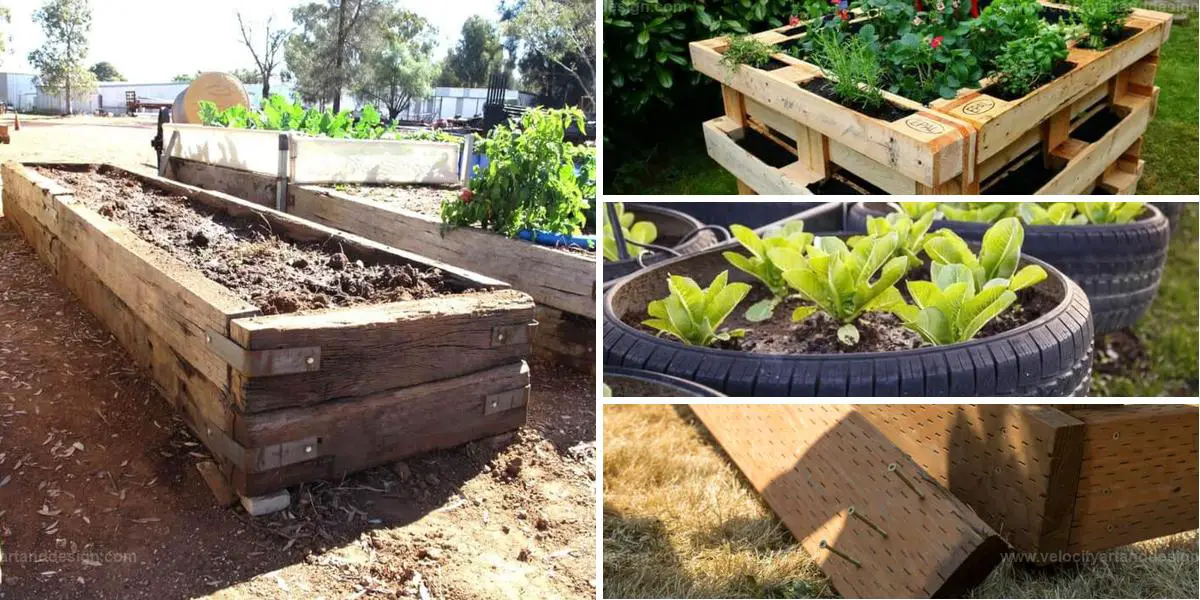
Choosing the right materials for raised garden beds is crucial for the health of your plants, as some materials can negatively impact growth.
Whether it’s due to harmful chemicals, poor durability, or susceptibility to rot, certain options should be avoided.
Knowing what materials to skip helps ensure your plants thrive in a safe and nurturing environment.
Old Tires
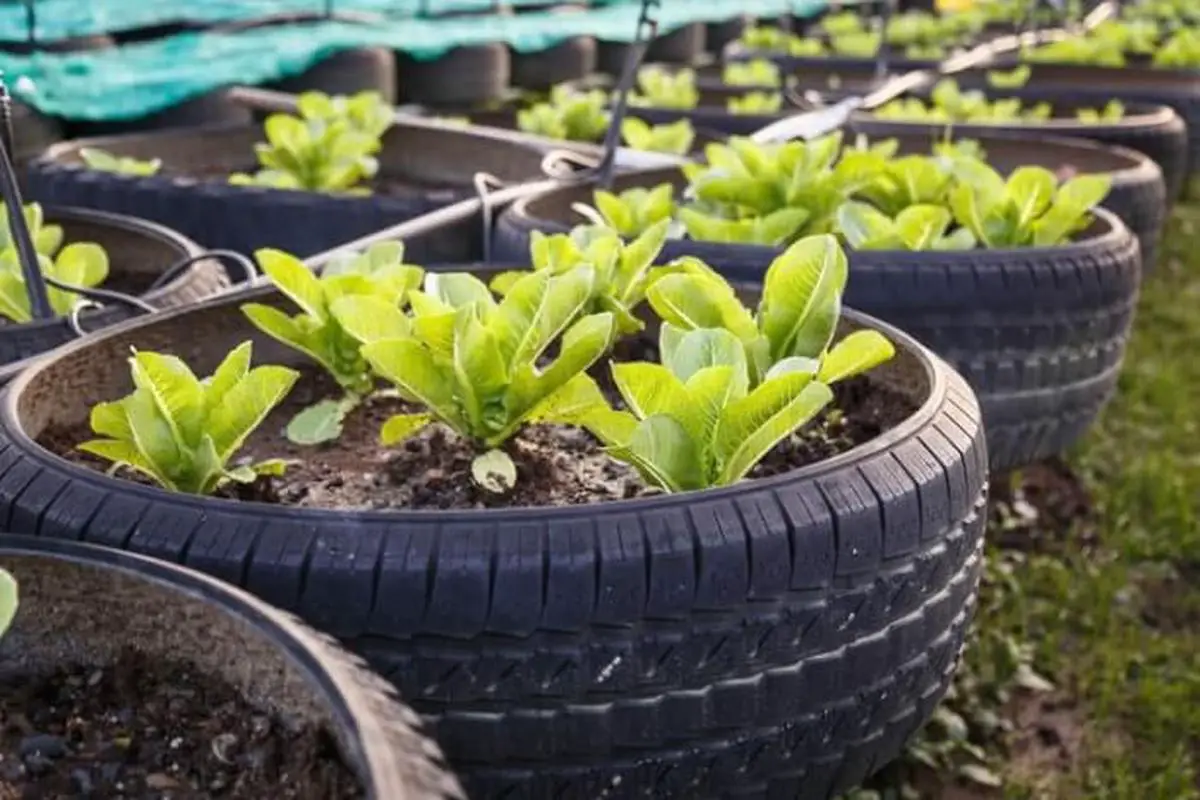
Using old tires for raised garden beds might seem like a clever idea, but it brings hidden risks.
Tires contain harmful substances like cadmium and lead that can seep into the soil over time.
This contamination can affect your vegetables, making them unsafe to eat.
Even though studies haven't conclusively proven the extent of this issue, opting for safer materials is always wise when nurturing your plants and ensuring healthy growth in your garden space.
Cinder Blocks
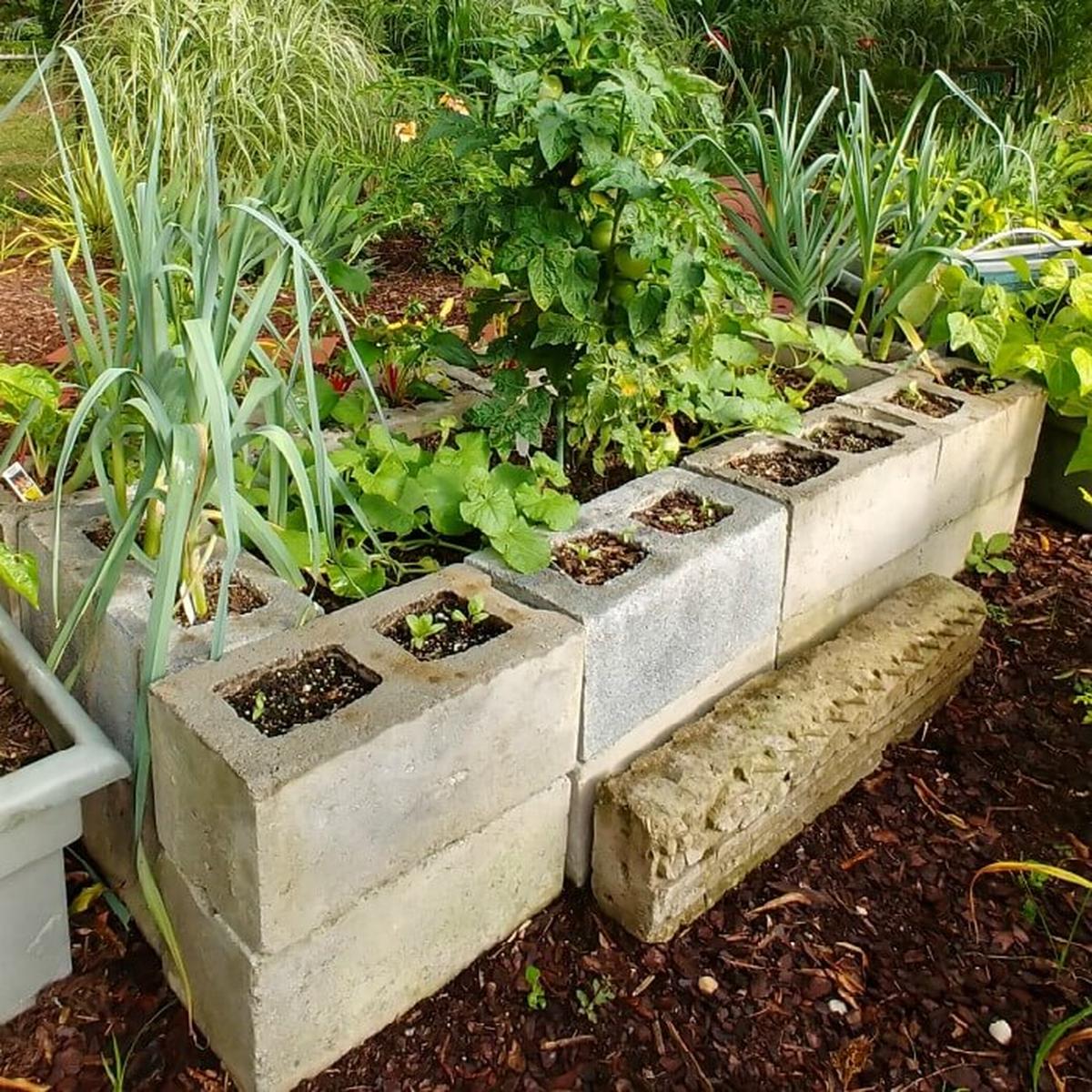
Using materials like fly ash for your raised garden beds poses serious health risks.
This substance, made from coal particulates, harbors toxic heavy metals such as arsenic and lead.
Growing food in contaminated soil can put you and your loved ones at risk of exposure to these harmful elements.
Opting for safer alternatives ensures that what you harvest remains pure and healthy for consumption.
MB Pallets
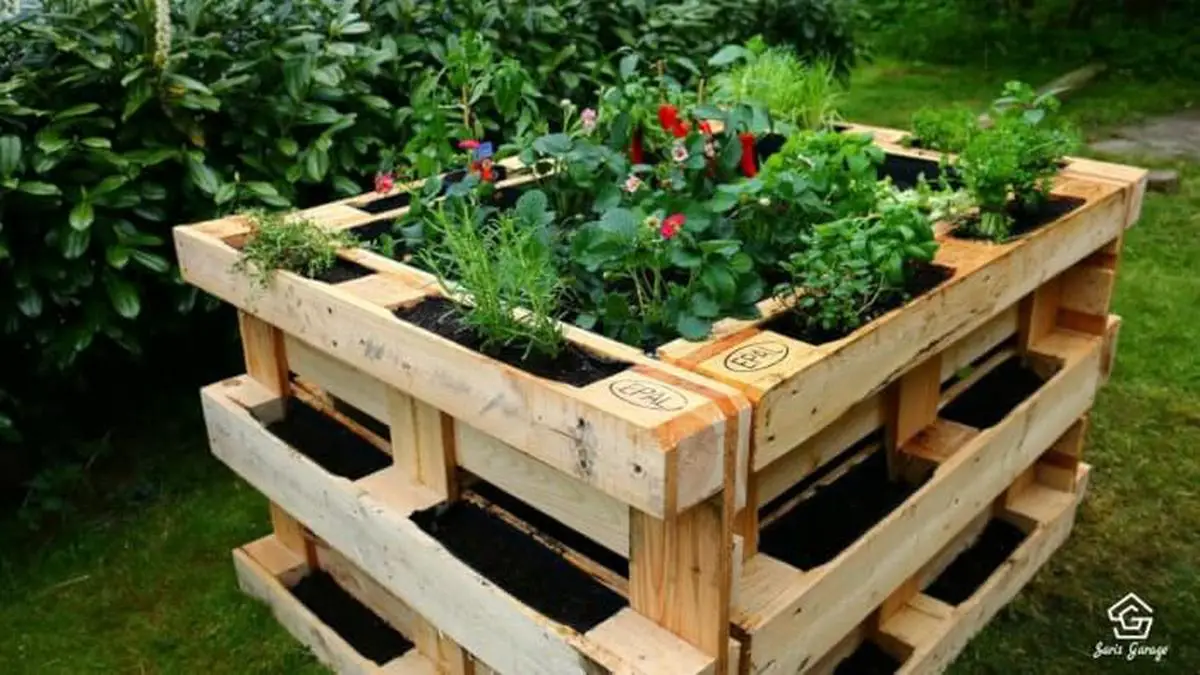
Using wood pallets for raised garden beds can be tempting, but caution is essential.
Look out for those stamped with MB; this indicates they’ve been treated with methyl bromide, a pesticide that poses serious health risks.
The off-gassing from these materials not only affects your well-being but also contributes to ozone layer damage.
Prioritizing safe and healthy choices in gardening ensures you nurture both plants and yourself without harmful chemicals lurking nearby.
Railroad Ties
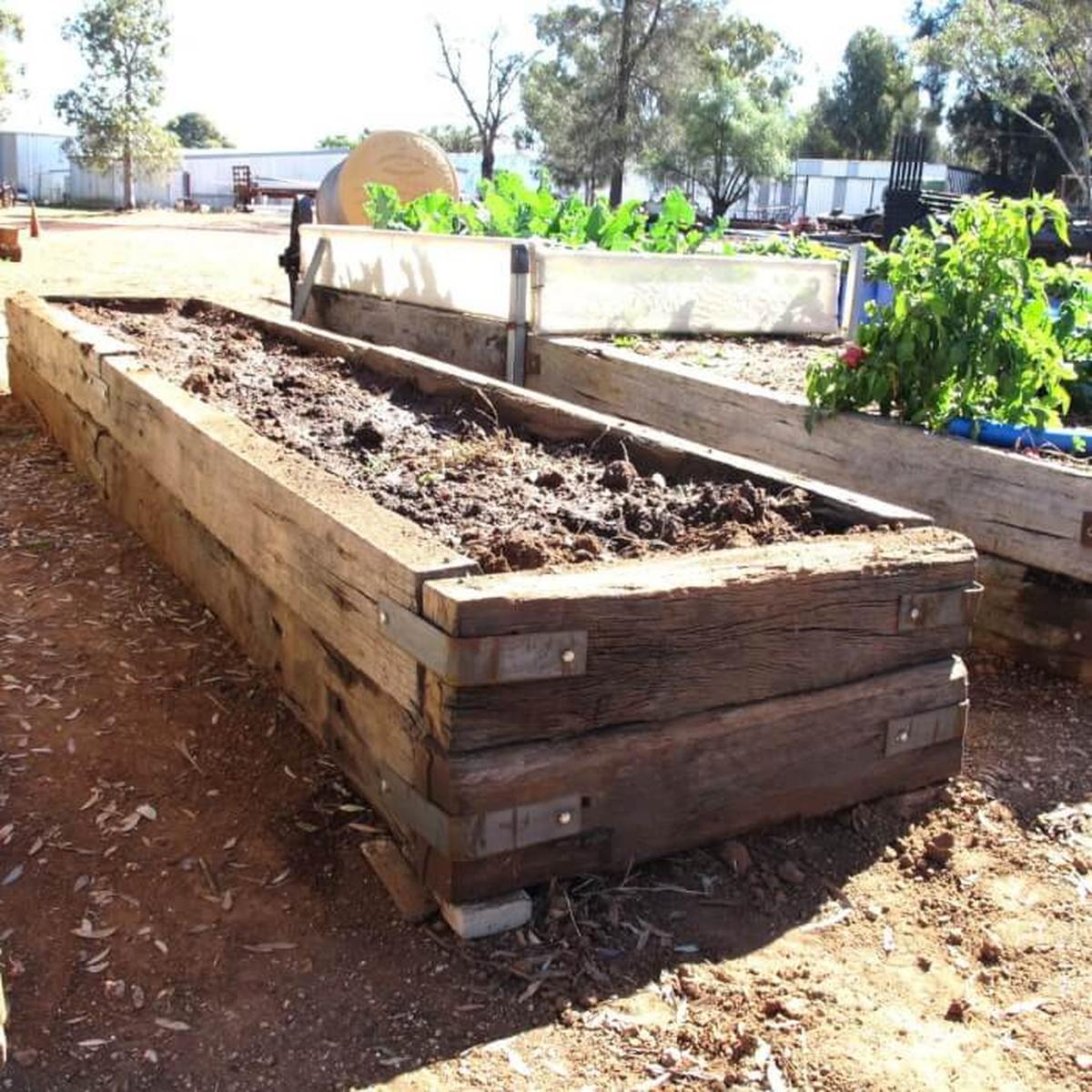
Railroad ties may seem sturdy, but their treatment with creosote makes them a risky choice for raised garden beds.
This tar-based substance contains harmful pesticides that can seep into the soil over time, posing health hazards to you and your plants.
The impact extends beyond just your garden; beneficial insects and small animals are also at risk from these toxic chemicals.
Choosing safer materials ensures a healthier environment for both you and the ecosystem around your gardening space.
Pressure-Treated Wood
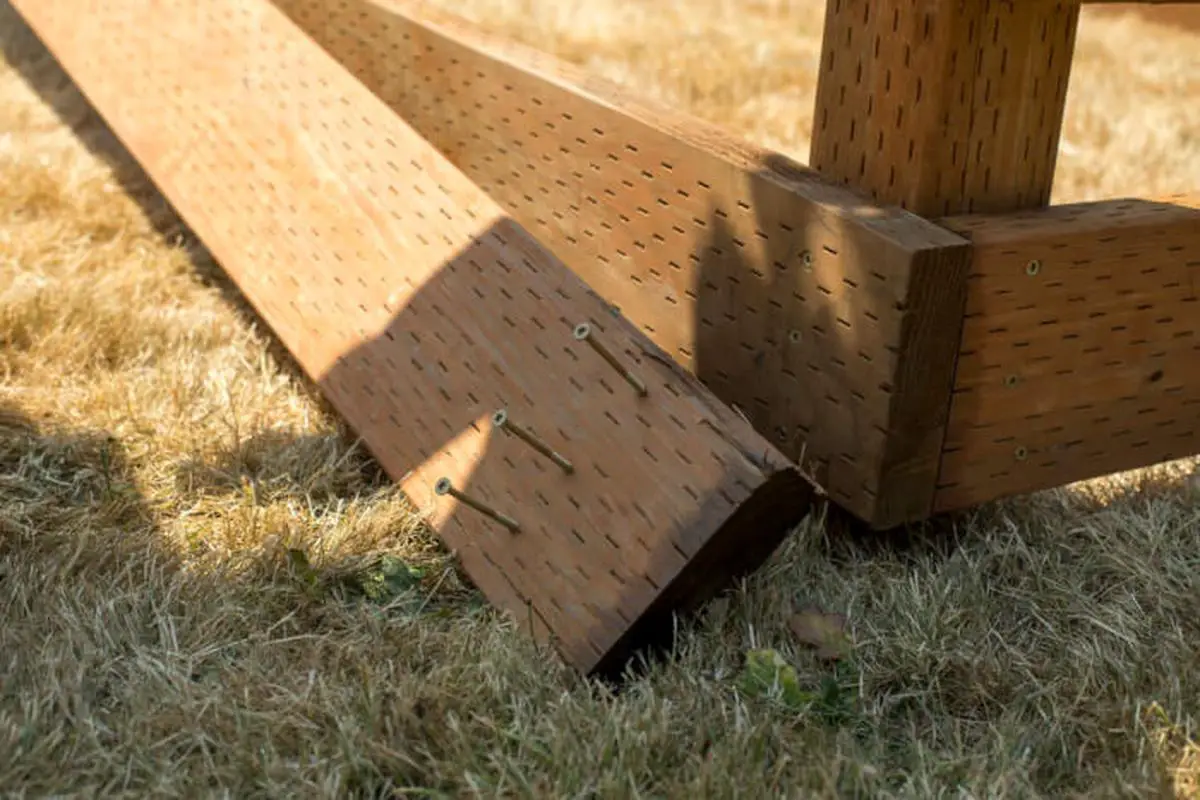
Pressure-treated wood may seem like an easy choice for raised garden beds, but it carries hidden dangers.
Alkaline copper quaternary (ACQ) treatment involves high levels of copper that can seep into the soil over time.
This metal poses serious risks to plants and aquatic life nearby, harming their growth and overall health.
Choosing safer materials ensures a thriving garden without unwanted chemicals leaching into your precious vegetables or flowers.
James Turner
Founder & Lead Designer
Expertise
Interior Design, Sustainable Design Practices, Spatial Planning, Innovative Material Applications, Contemporary Art Techniques, Visual Communication, Multimedia Artistry, DIY Design and Home Projects, Eco-Friendly Living Spaces, Creative Solutions
Education
University of Cincinnati College of Design, Architecture, Art, and Planning (DAAP)
Columbus College of Art & Design (CCAD), Columbus, OH
James Turner is the founder and lead designer at Velocity Art and Design. He studied Interior Design at the University of Cincinnati, focusing on eco-friendly design and smart use of space.
Later, he expanded his artistic skills with a Fine Arts Certificate from the Columbus College of Art & Design, where he learned about modern art and visual storytelling.
With over 10 years in design, James is passionate about making spaces that are both beautiful and practical. He shares his DIY tips and creative ideas to inspire others to explore their own creativity and transform their living spaces.