
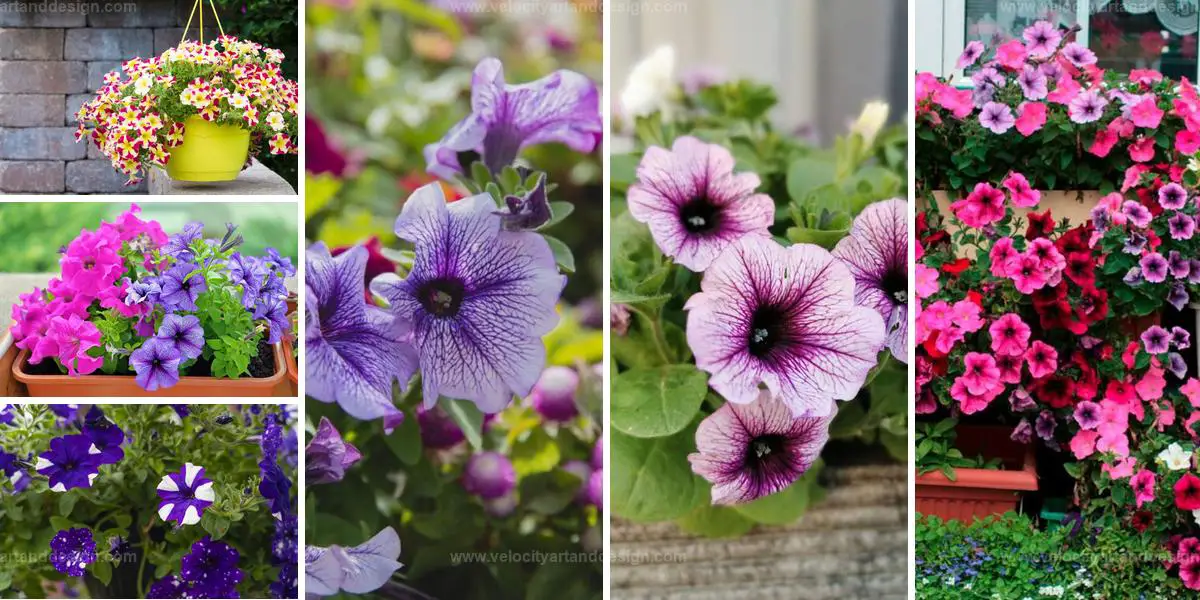
10 Key Tips for Successful Planting and Care of Petunias This Spring

Want to fill your garden with the vibrant colors of petunias this spring?
With the right care, these beautiful blooms can bring stunning pops of color to your outdoor space.
However, there’s more to growing petunias than just planting and watering.
To ensure your petunias thrive, we've gathered 10 expert tips for planting and caring for them this season.
From the perfect soil mix to watering tricks, you'll be ready to enjoy a garden full of gorgeous flowers.
Unlock 10 Secrets to Growing Gorgeous Petunias This Spring
Get your garden blooming with petunias! Learn the 10 best planting techniques and care tips to keep these colorful flowers healthy and thriving in springtime.
Select the Ideal Location
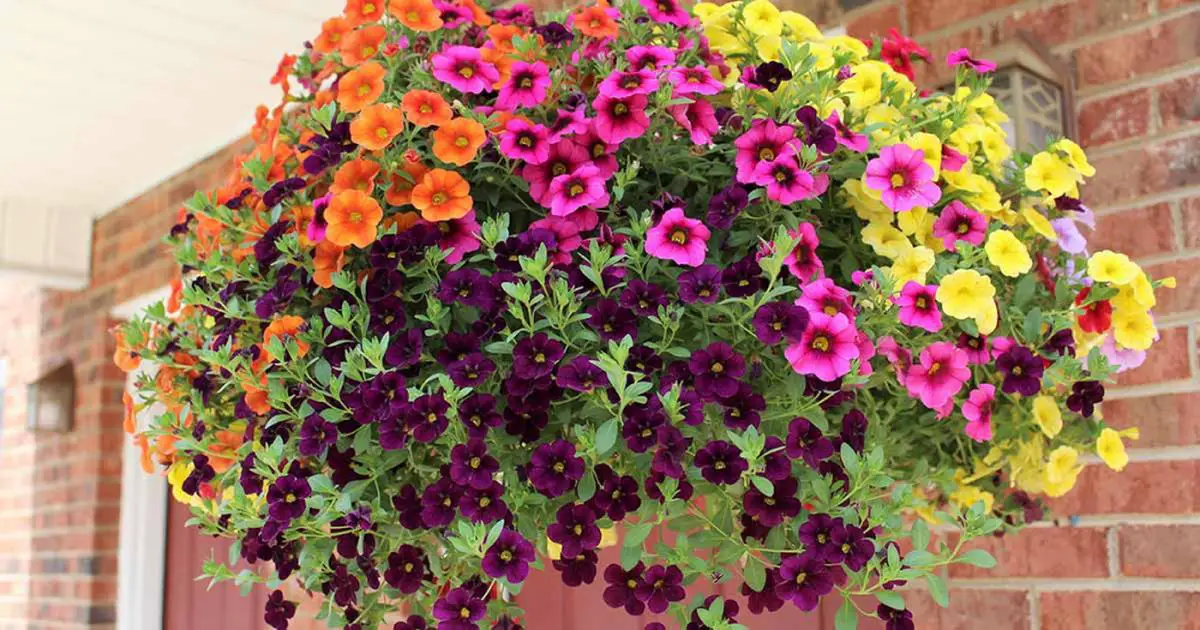
Sunny locations provide the ideal environment for petunias to thrive.
At least six hours of direct sunlight each day keeps their blooms vibrant and healthy.
Soil enriched with organic matter offers the nutrients they need, while proper drainage prevents waterlogging and keeps roots safe.
These simple conditions make it easy for petunias to flourish, adding vibrant color to outdoor spaces effortlessly.
Choose Planting Time
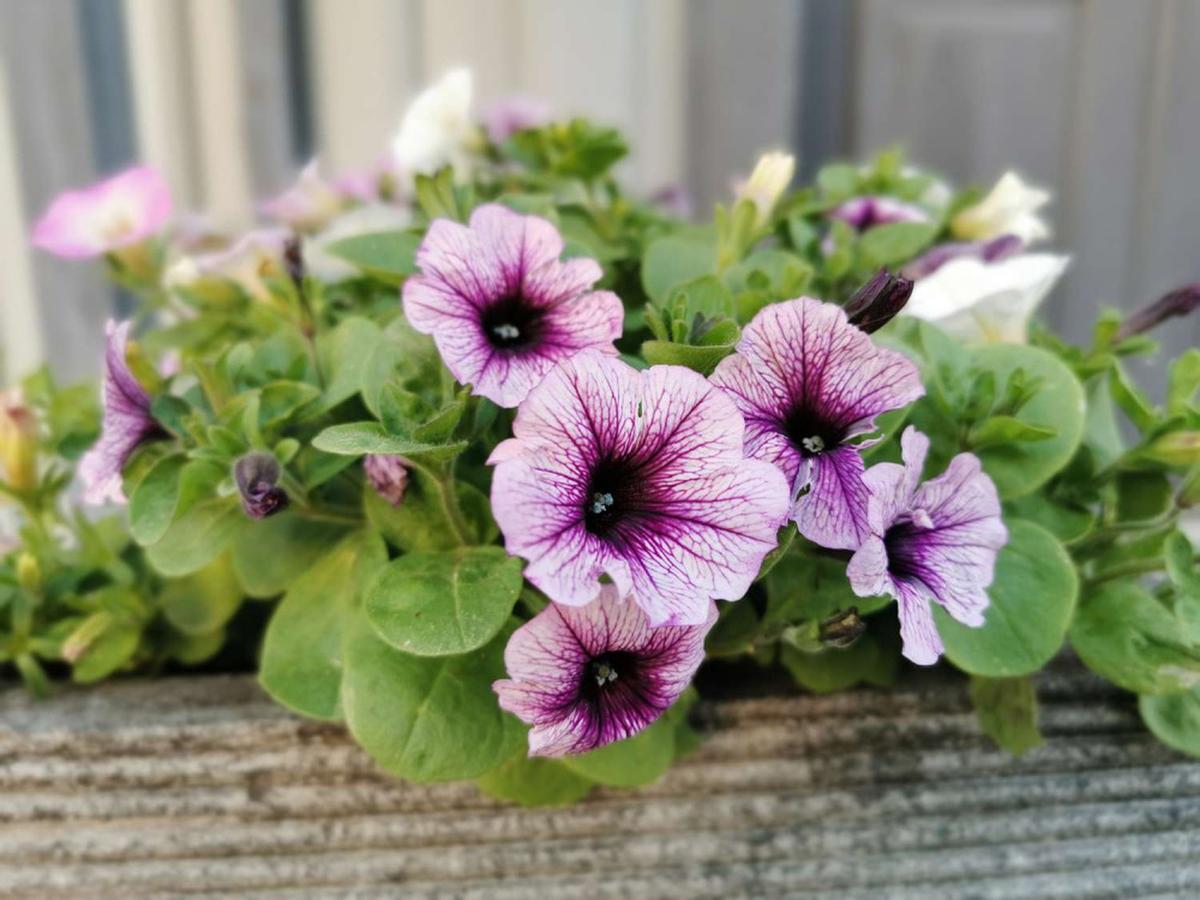
Planting petunias in the spring brings bursts of color to your garden.
Seeds should be started indoors 10-12 weeks before the last frost to give them a strong start.
For an easier option, nursery plants are ready to go straight into the soil.
As the weather warms and sunlight increases, these cheerful flowers grow beautifully, bringing a touch of joy to every corner of your space.
Prepare Soil
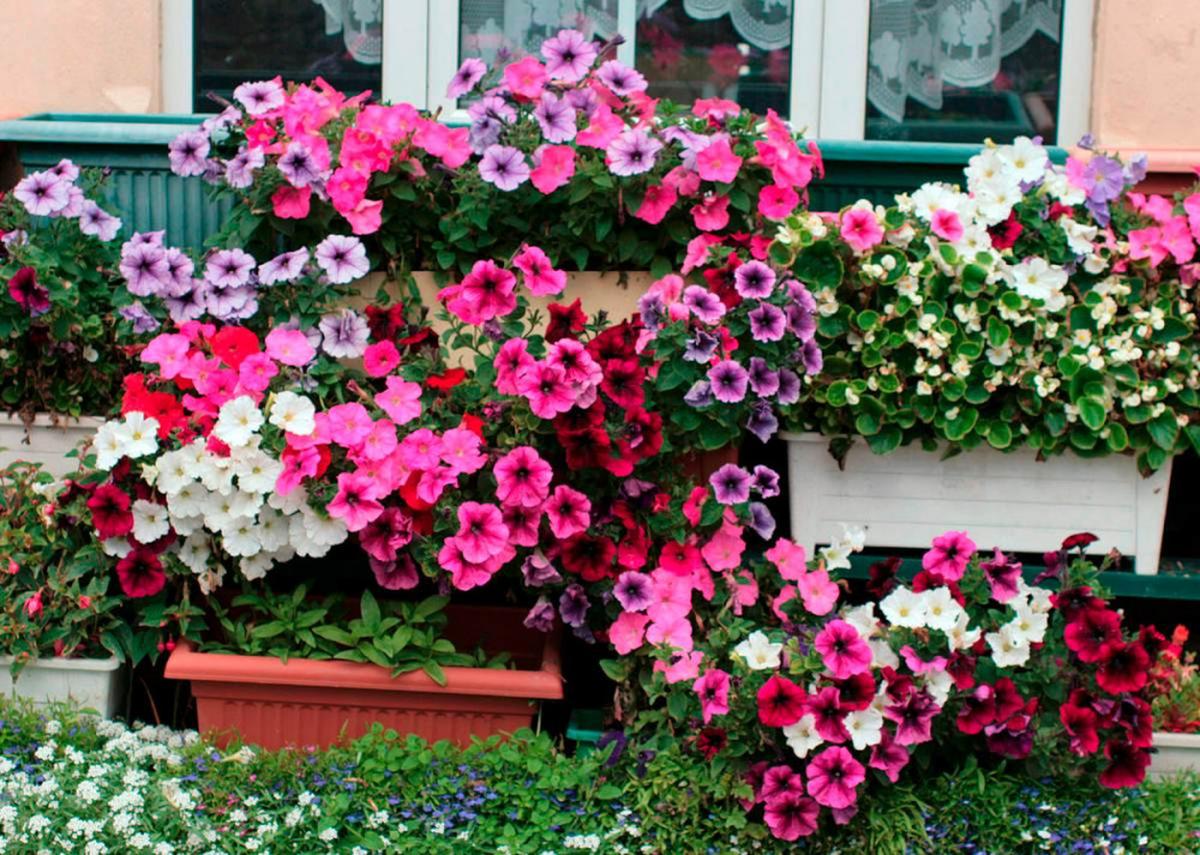
Healthy petunias start with well-prepared soil. Loosening the ground with a fork or tiller helps roots grow freely.
Clearing weeds, rocks, and debris ensures plants won’t compete for nutrients. Adding compost or aged manure enriches the soil, giving petunias the best possible start.
A little extra effort here creates a vibrant foundation that leads to stunning blooms.
Plant Petunias
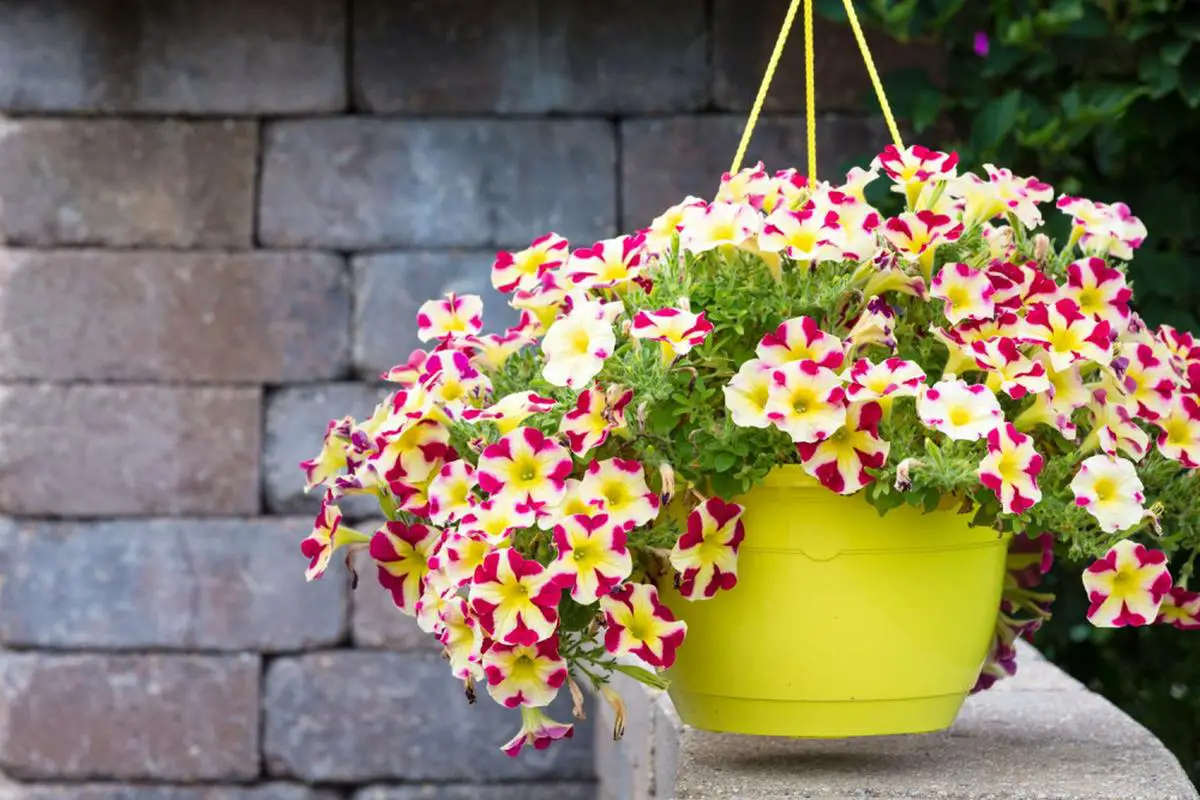
Spacing is key when planting petunias. Holes spaced 8-12 inches apart provide enough room for each plant to grow and spread.
Gently removing petunias from their containers prevents damage to the roots. Nestling them into the soil with care, then pressing lightly around the base, sets them up for success.
Watching your garden come alive as these blooms settle in is truly rewarding.
Water Regularly
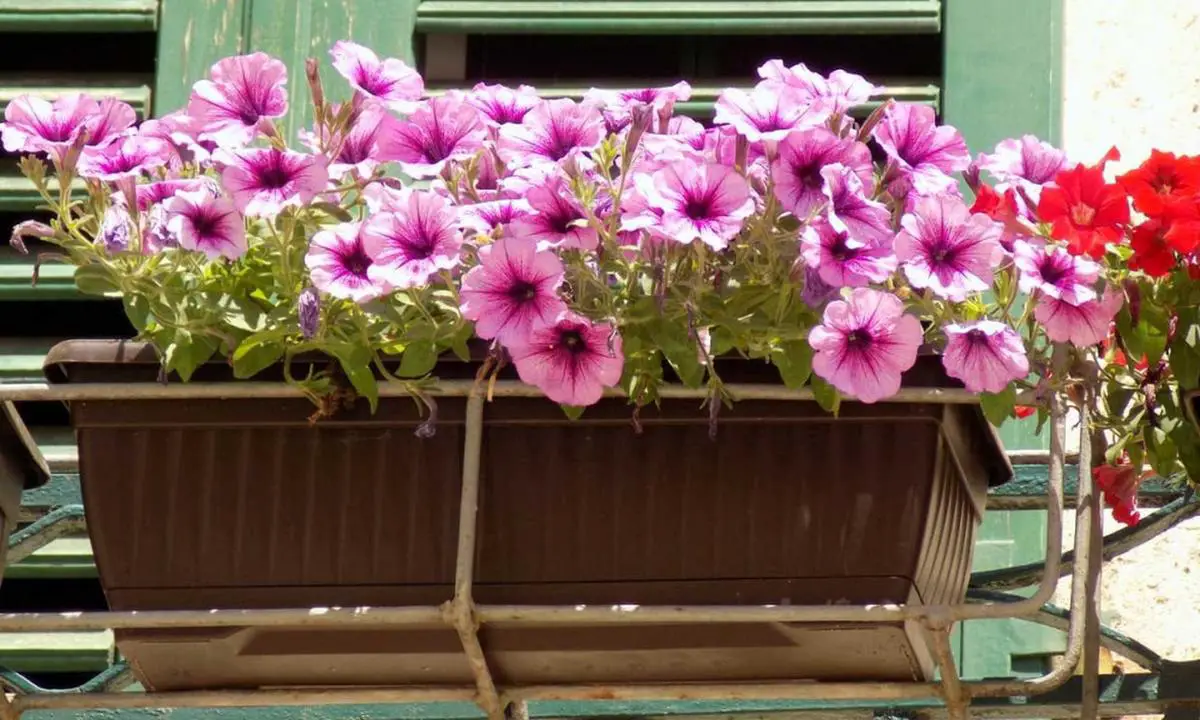
Consistent watering keeps petunias thriving.
Moist soil right after planting gives them a strong start.
Deep watering encourages robust roots, while allowing the soil to dry slightly between sessions prevents issues like root rot.
Maintaining a balance ensures these flowers stay healthy and vibrant, rewarding your efforts with colorful blooms all season long.
Fertilize Properly
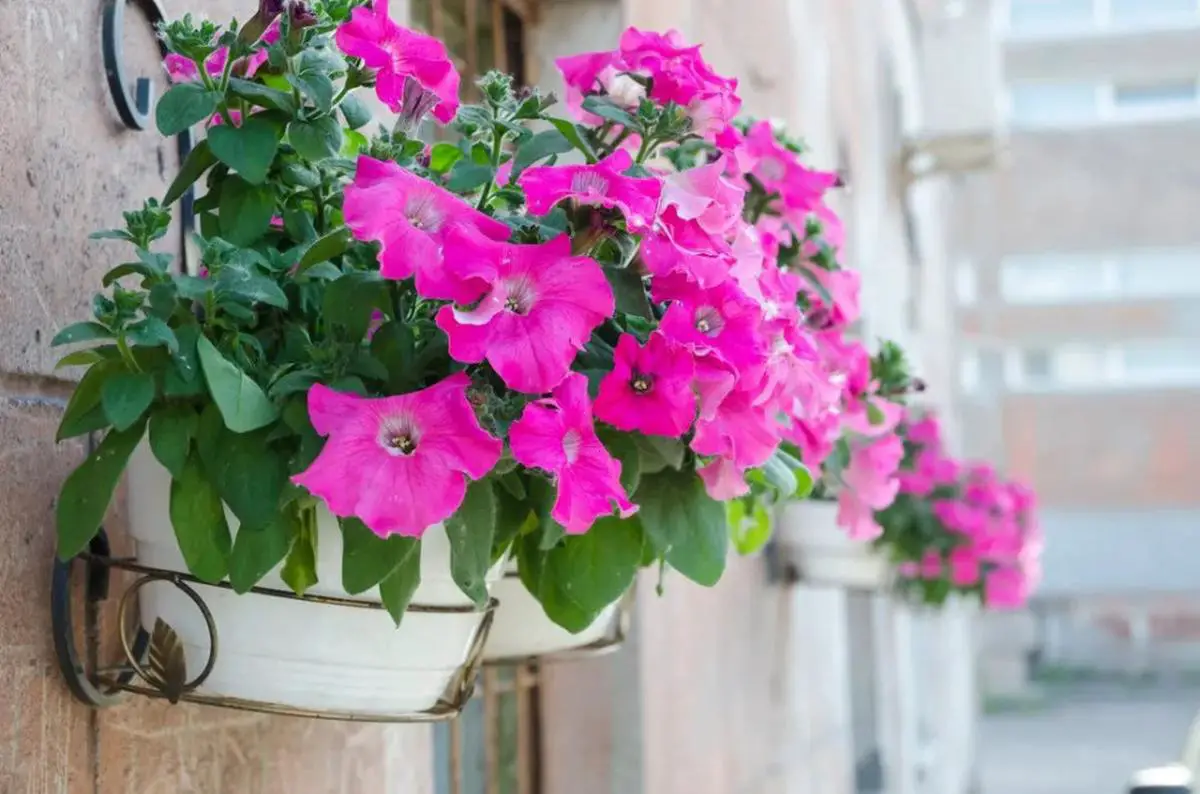
Petunias thrive when given the nutrients they need to grow and bloom abundantly.
Regular feeding with a balanced, water-soluble fertilizer every two to three weeks keeps them flourishing.
Slow-release granular fertilizers are another option, offering steady nourishment with less effort.
Consistently providing the right nutrients ensures vibrant flowers that bring brightness and joy to any outdoor space.
Pinch & Deadhead
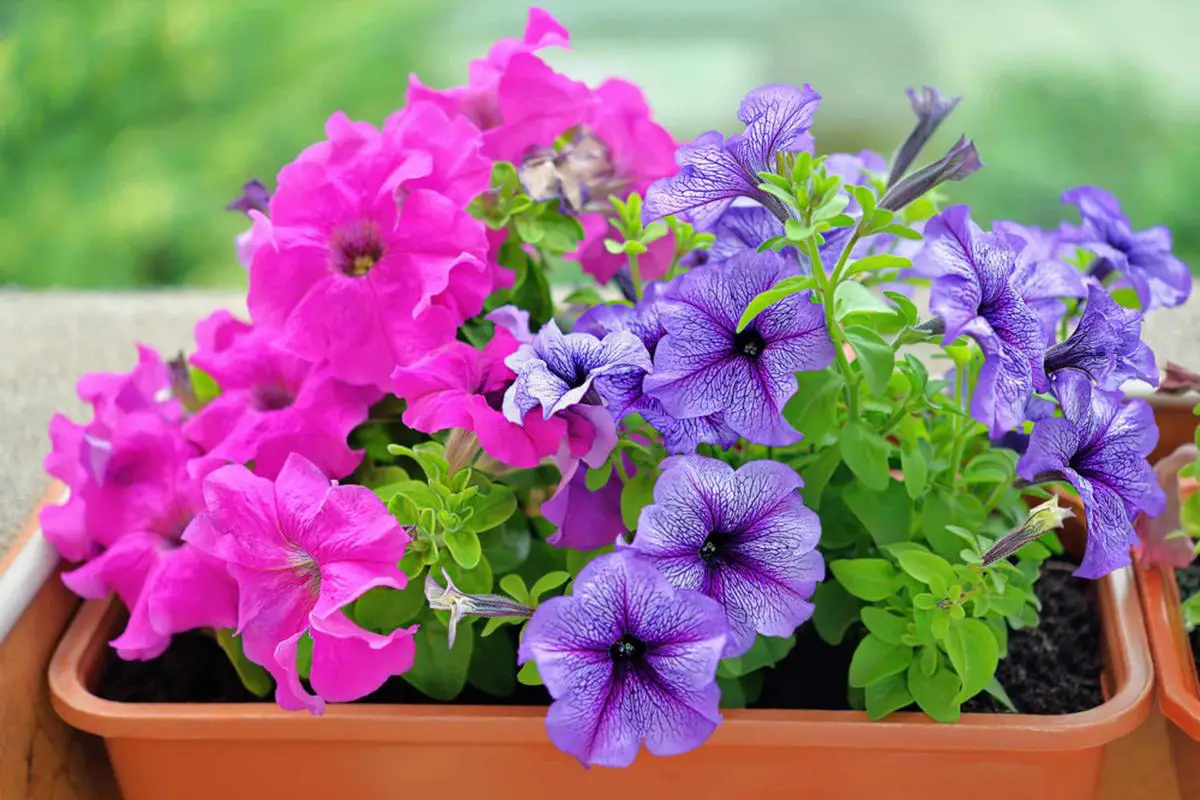
Pinching back the tips of young petunias at 4-6 inches encourages branching, resulting in fuller plants covered in blooms.
Regularly removing faded or dead flowers prevents energy from going into seed production, keeping the plants vibrant and blooming throughout the season.
A little extra attention to these simple practices rewards you with a lush, colorful garden that stands out all season long.
Control Pests & Diseases
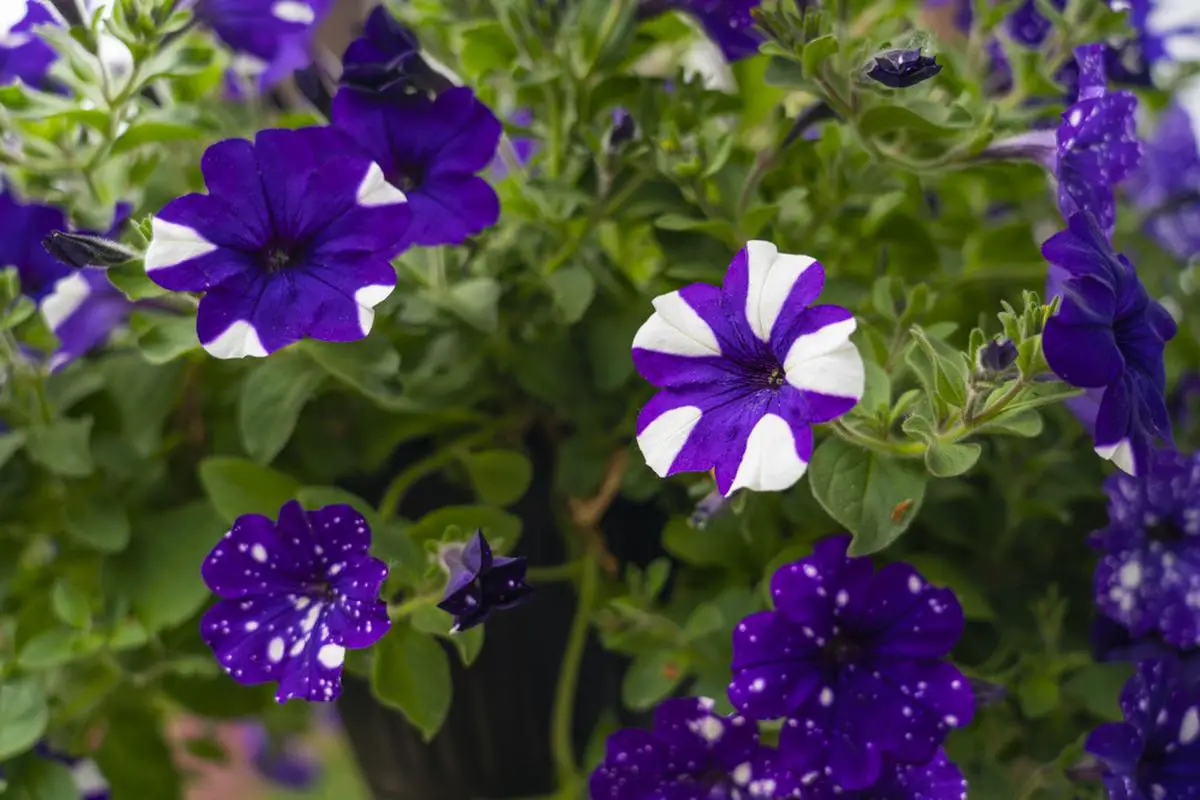
Petunias are resilient plants but benefit from regular checks to stay healthy.
Monitoring for pests like aphids or slugs helps catch problems early.
Using organic insecticides or natural remedies provides safe and effective ways to manage pests without harming the environment.
Paying close attention to their health ensures petunias continue to flourish, letting you enjoy their beauty effortlessly.
Support Trailing Varieties
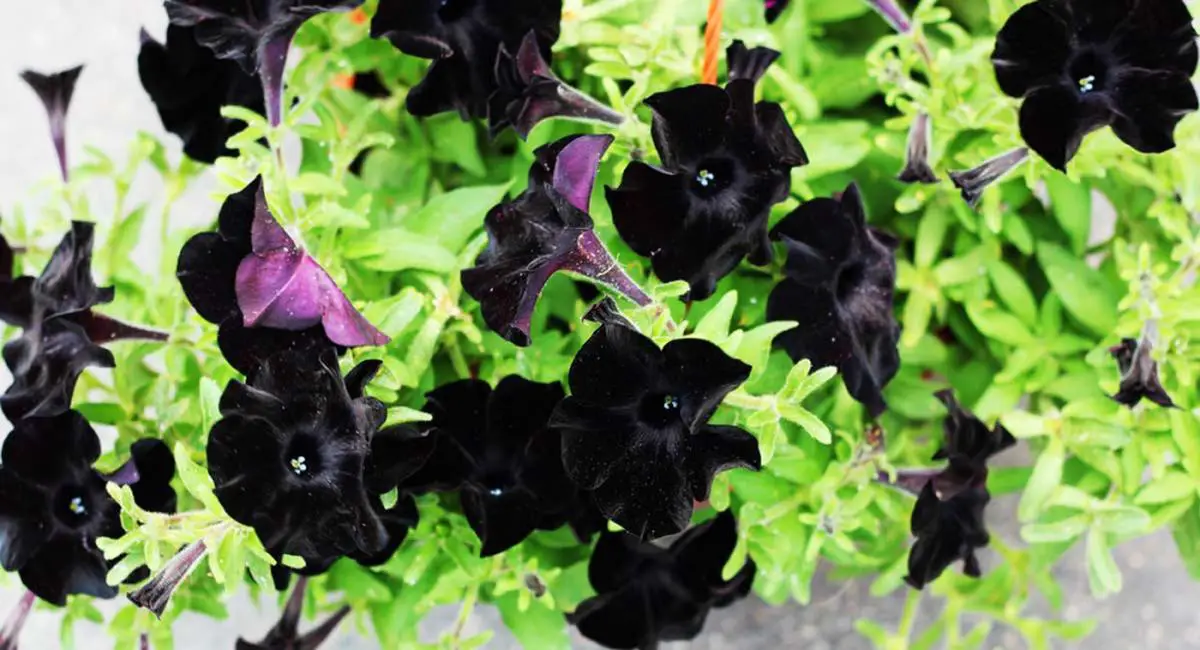
Grandiflora petunias, known for their large blooms, may need extra support to keep their heavy flowers upright.
Trailing varieties create stunning effects when placed in hanging baskets or containers, with cascading blooms adding elegance to your space.
These creative arrangements transform balconies, patios, or gardens into eye-catching focal points, showcasing the beauty of petunias in unique ways.
Overwintering Care
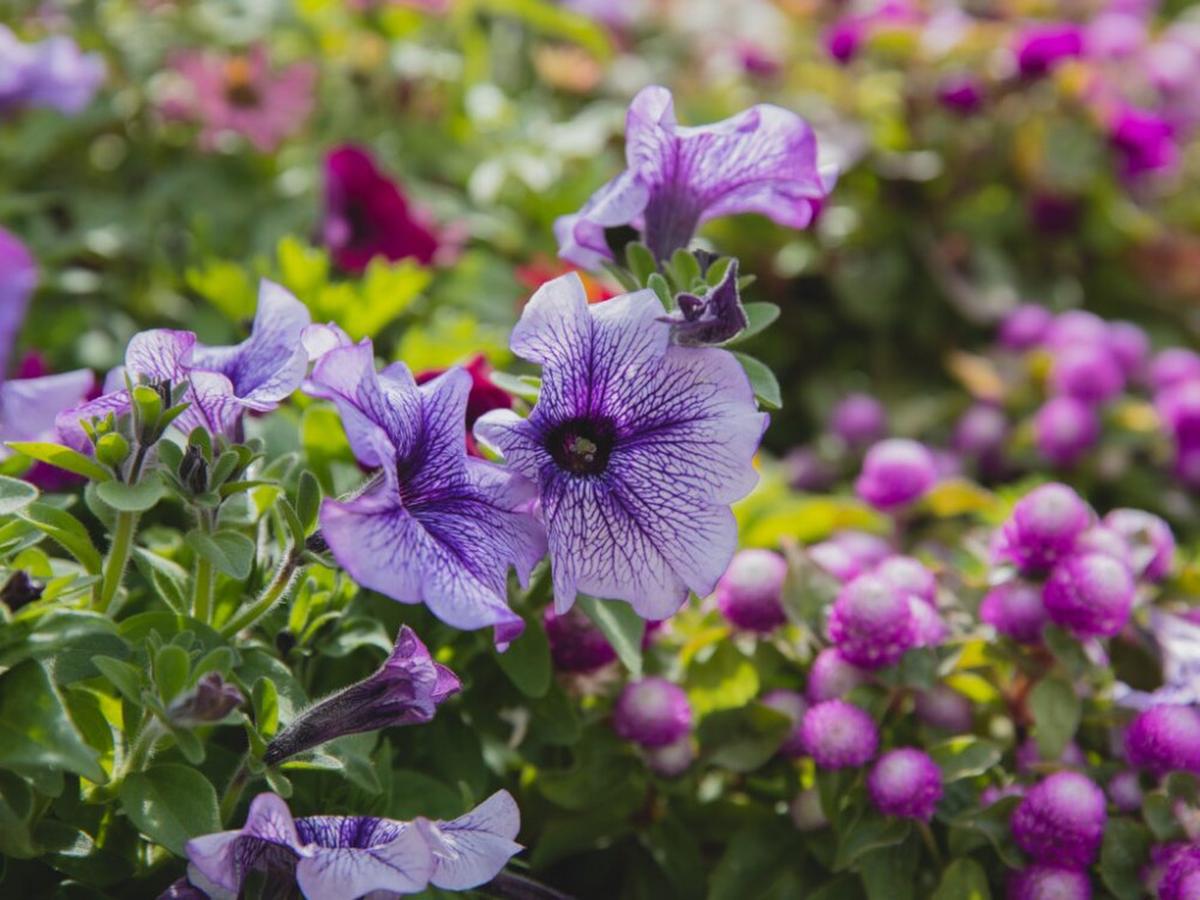
Petunias can last beyond one season in mild climates with a bit of extra care.
Protecting them from frost and trimming them during colder months helps extend their life.
Collecting seeds from spent blooms allows for easy indoor propagation, giving you a head start on the next season’s garden.
Caring for petunias year-round fills your space with vibrant colors, making every gardening effort worthwhile.
How to Choose the Right Petunias for Your Space
Choosing the right petunias for your space ensures they thrive and look stunning all spring. Considering factors like sunlight, soil, and garden style helps make the best choice.
Essential Tools and Supplies for Planting Petunias
Getting the right tools and supplies before planting petunias makes the process easier and helps them thrive. A few essentials ensure your garden is ready for these flowers:
How to Transition Petunias for Summer Heat
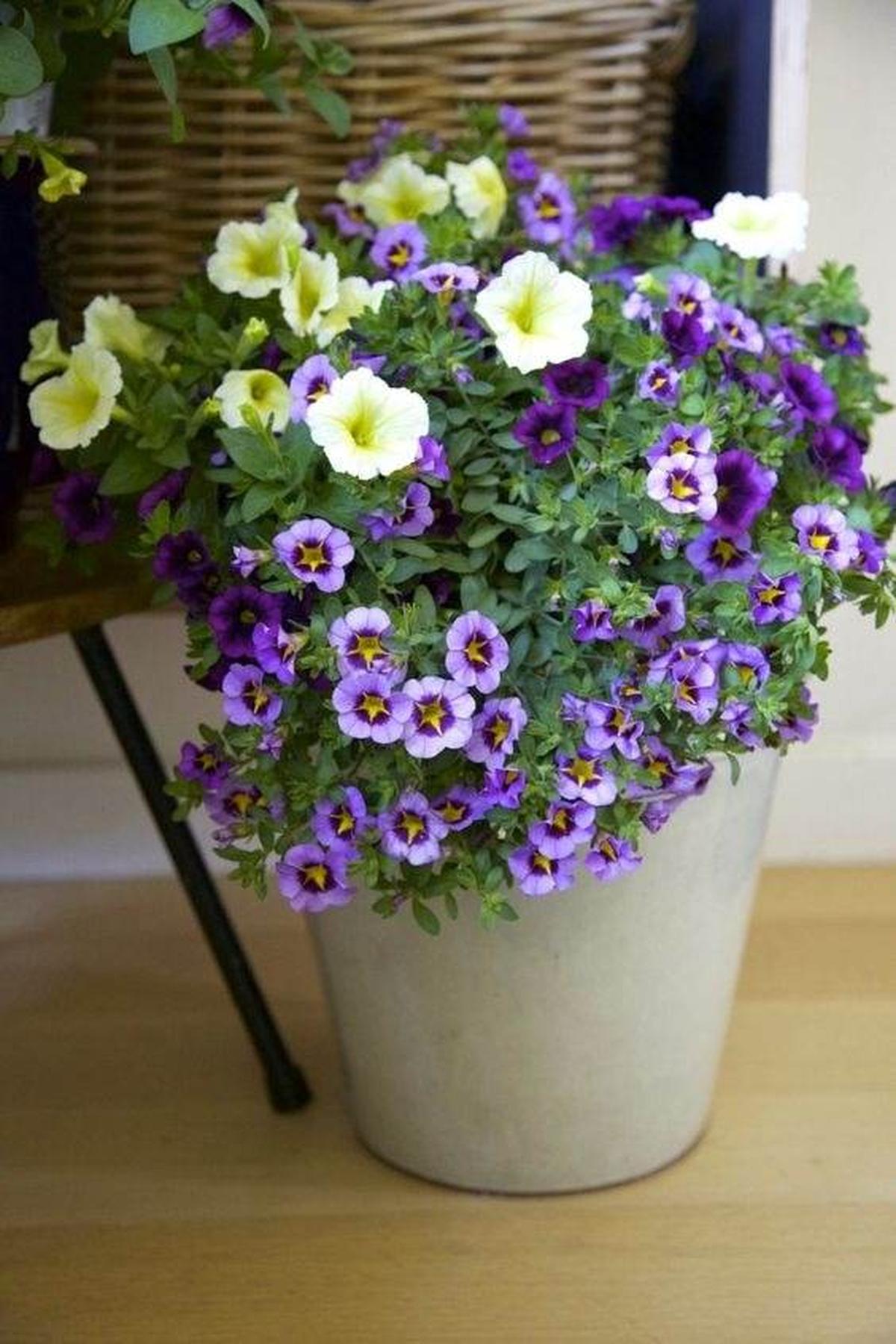
Petunias can struggle when summer temperatures rise, but with a few adjustments, they’ll continue to bloom beautifully. Paying attention to their needs during hotter months keeps them healthy and vibrant.
Kathy Batiste
Creative Contributor & Home Decor Specialist
Expertise
Interior Decorating, Space Planning, Color Theory, Functional Design, Interior Styling, Aesthetic Enhancements, Room Layout Optimization, Trend Integration, Sustainable Design Solutions, Seasonal Decor Styling
Education
International Association of Professions Career College (IAP Career College)
Kathy Batiste is a creative contributor at Velocity Art and Design. She earned her Interior Decorator Certificate from the International Association of Professions Career College, where she gained skills in space planning, color coordination, and creating personalized home designs.
With over 5 years of experience in interior decorating, Kathy focuses on designing rooms that are not only stylish but also functional. Her passion lies in helping others transform their homes into spaces that feel warm and uniquely their own.